

Where legal analysis, research and drafting meet
At Solon Legal, legal AI is finding a place across three connected parts of the work. For Lotte Scherders, it often begins with a document-heavy matter that needs a reliable structure before the legal assessment can start. Sam Zuidervliet turns to it with a legal question, where relevant authorities and possible arguments need to be tested. Liza Passer uses it while working through the wording of a difficult contractual provision. Across all three, Zeno prepares the ground and offers options, while the lawyer examines the evidence, verifies the sources, decides and remains responsible.
From a document set to clearer legal analysis
Lotte Scherders is an attorney-at-law in Solon’s corporate practice. Her work often starts before there is a neat legal question, with correspondence, agreements and other documents that must be put in order before the facts and legal issues can be assessed.
Before Zeno, that first phase meant reconstructing a chronology, identifying what was present and missing and only then moving to the legal assessment and client advice. Zeno now helps structure the document set, establish the chronology and create a more coherent starting point for Scherders’ own review.
The research continues from that foundation. Scherders says Zeno helps her find relevant case law faster and can introduce an angle she had not yet considered. She estimates that comparable preparation has fallen from around six hours to three or four. For her, the more important benefit is what that time makes possible: an earlier move into assessing the facts, verifying sources, determining strategy and advising the client.
Accuracy, confidentiality and professional judgement were her initial concerns. Confidence came from being able to return to the underlying document or legal source and test the basis of an answer. Zeno can organise the material and suggest perspectives, but Scherders continues to assess the documents, verify the sources and determine the course of the matter.
Zeno does not think for me. It helps me think more sharply.
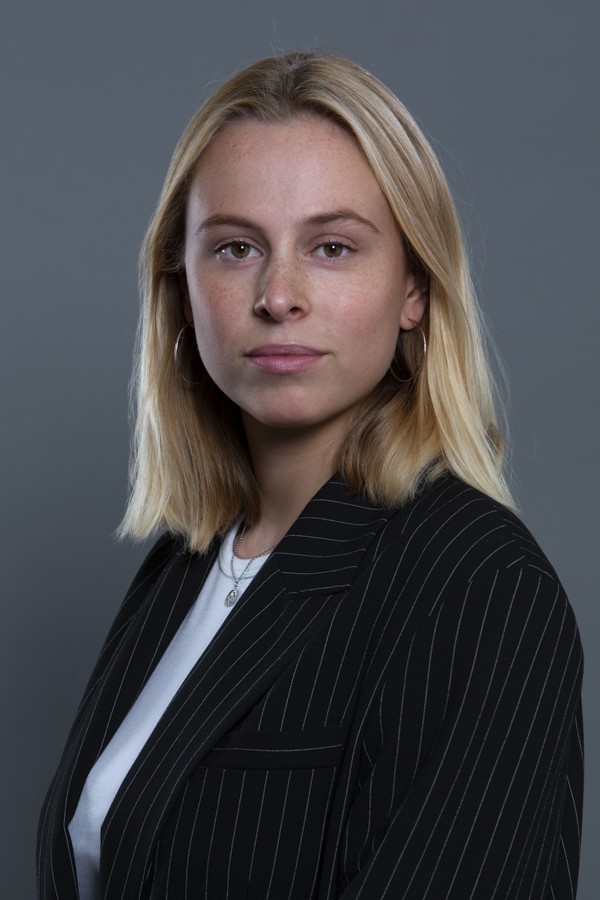
From a legal question to a stronger argument
Sam Zuidervliet is a senior litigator at Solon Legal, where he works on commercial and corporate disputes and arbitration. He first used Zeno on an email chain: he wanted to map what one person had said about a particular issue. It is the kind of task that sits between reviewing a case file and formulating the legal question.
In a dispute about the interpretation of agreements, Zuidervliet says Zeno provides relevant judgments and additional arguments for his review. He often turns to Zeno early for a first answer to a legal question.
Zuidervliet says he checks all factual and legal output before using it in client work, while Solon is developing an internal AI policy. Colleagues also exchange practical tips, from prompt structure to the order in which follow-up questions are asked.
Speed helps, but it is not the whole point. Zuidervliet says Zeno helps him find the words more quickly and, more importantly, identify additional arguments.
We work faster, but above all our work is stronger because Zeno helps us identify additional arguments.

More ways into a difficult provision
Liza Passer is an attorney-at-law in Solon Legal’s corporate and M&A practice. She uses Zeno when transaction terms and commercial agreements need precise contractual wording. A difficult provision in a share purchase agreement, for example, can require repeated work with models, examples and alternative formulations.
Before using Zeno, she would start from existing models and examples, formulate a provision and then refine the wording herself. With Zeno’s integration in Word, she can request several alternatives, choose the most useful direction and fine-tune the provision inside the agreement. Suggestions can be added with explanatory comments and proposed changes can remain visible through track changes, making the reasoning easier to follow during review.
The main benefit she describes is creative range. Several formulations and examples give her more options to consider before she settles the final wording. She also estimates that a difficult provision that could take up to four hours may sometimes take about one hour with Zeno, although the difference varies by provision and the comparison still needs confirmation.
Accuracy and limited source usage were concerns at first. In her experience, she has so far found few errors and she points to Zeno’s use of Rechtspraak.nl as a source of legal nuance. She continues to review every proposed text and decide what fits the agreement and the client’s objectives.
Zeno gives me several options for a provision, which I can refine myself. It makes drafting faster and brings in ideas I may not have considered.

Why versatility mattered, and why judgement stayed with the lawyer
Solon’s examples span three moments in the work. Scherders values source transparency and the ability to inspect why an authority has been highlighted, Zuidervliet uses legal research as a starting point for testing questions and possible arguments and Passer works through alternative formulations inside the agreement.
Zeno provides structured material, possible legal sources and proposed wording for review. The lawyer determines what is relevant, verifies the sources, applies the law, sets the strategy and takes responsibility for the final advice or provision.
Solon’s practical advice is to try Zeno on a real matter. In the firm’s experience, the barrier to getting started was lower than expected and the value became clearer once the tool became part of day-to-day work.
Across these three examples, Zeno contributes preparation, research and draft wording for review. The legal judgement remains with the lawyer.

